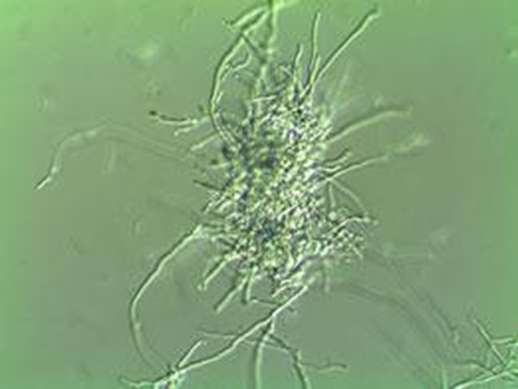
| Macroscopic characters | shape | Dimidiate to substipitate |
| size | |
| texture | |
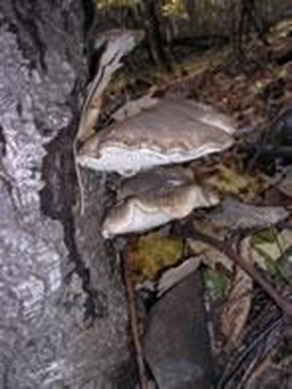
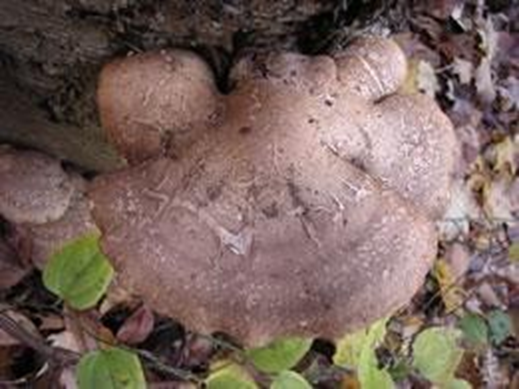
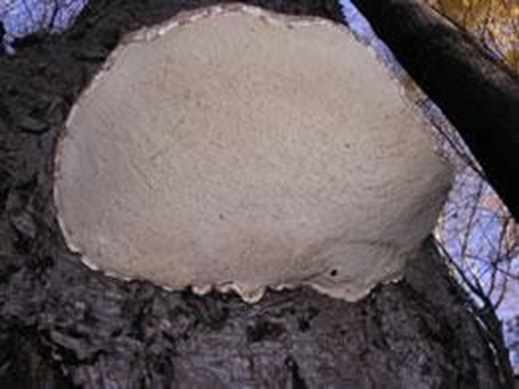
| pileus | Often pendent; usually dimidiate or reniform; solitary |
| stipe | Short; stout; glabrous; often resinous; whitish to brown; up to 6cm long and 5cm thick |
| context | White; tough when flesh; drying soft-corky; azonate; up to 5cm thick |
| pore surface | White at first; becoming pale brownish with age |
| pores | Circular to angular; 3-5 per mm |
| tube layer(s) | Easily separated from context when fresh; up to 1cm thick |
| Microscopic characters | hyphal system | Di-trimitic |
| clamp connections | Contextual generative hyphae thin-walled; hyaline; with clamps |
| sterile elements | N/A |
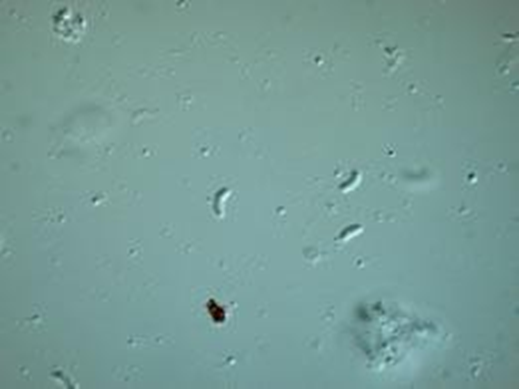
| basidiospores | Cylindric; slightly allantoids; hyaline; smooth; IKI-; 5-6 x 1.5-1.7 µm |
| Habitat characters | substrate/host | Restricted to Betula; in North America particularly common on B. papyrifera(paper birch) and B. alleghaniensis (yellow birch) |
| seasonality | |
| type of decay | Brown cubical rot of the sapwood of dead birches |
| range | A true boreal fungus, P. betulinus is found throughout the range of paper birch in North America and south to the Great Smokey Mountains in North Carolina and Tennessee; a circumboreal species. |
| Notes | |
| References | |