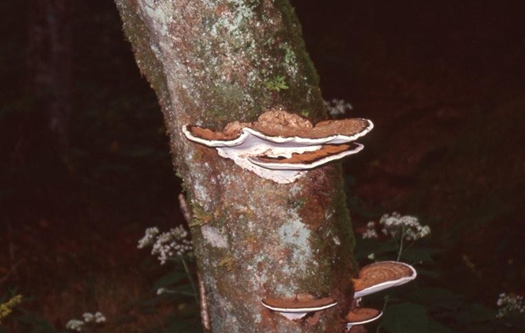
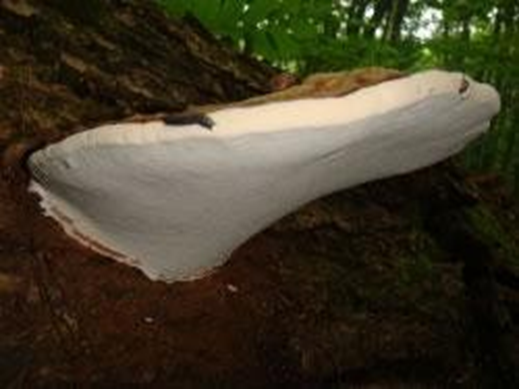
| Macroscopic characters | shape | Sessile; applanate; rarely ungulate |
| size | Up to 30 x 20 x 10-12 cm |
| texture | Woody to corky |
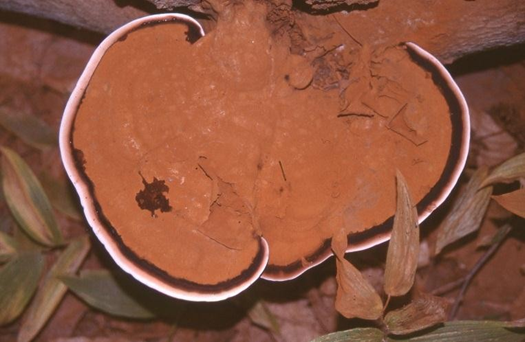
| pileus | Crusty; dark gray to gray-black; smooth; often brown from spore deposit |
| stipe | None |
| context | Purplish brown; corky |
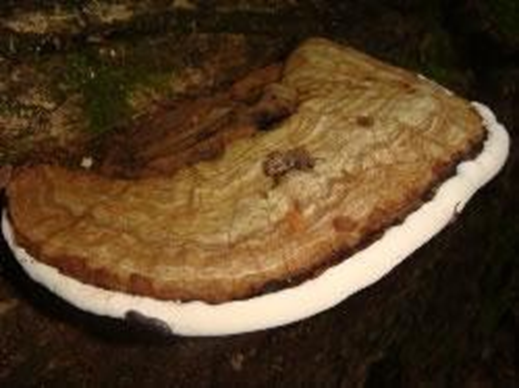
| pore surface | White on fresh specimens; bruising dark brown when injured; becoming dull buff in age |
| pores | Circular; 4-6 per mm |
| tube layer(s) | Concolorous with context; separated by a layer of context tissue; up to 13.5 mm thick |
| Microscopic characters | hyphal system | Trimitic; skeletal hyphae thick-walled, brown, aseptate; binding hyphae rare, thick-walled, hyaline |
| clamp connections | Contextual generative hyphae inconspicuous; thin-walled with clamps |
| sterile elements | None |
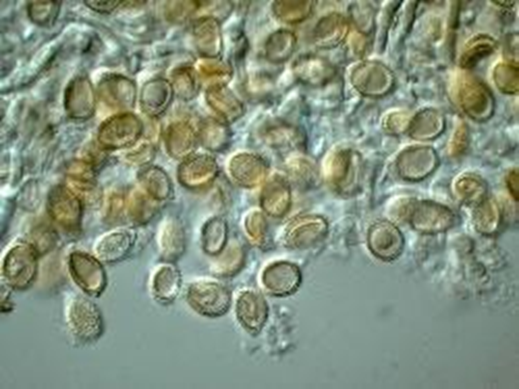
| basidiospores | Ovoid; truncate at the distal end with two walls; connected by inter-wall pillars; brown |
| Habitat characters | substrate/host | Dead standing trees; stumps and living trees of numerous genera of hardwoods; common on maples and beech in SE US |
| seasonality | Perennial |
| type of decay | White mottled rot and butt rot of living trtees; also found on dead standing or fallen hardwoods |
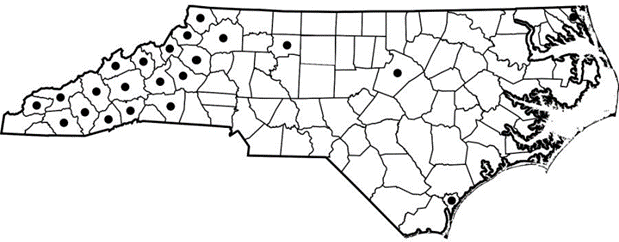
| range | Apparently throughout the forest regions of the U.S. and Canada; cosmopolitan species |
| Notes | |
| References | Gilbertson & Ryvarden, 1986; Grand & Vernia, 2005B; Overholts, 1953 |