| Macroscopic characters | shape | Dimidiate to flabelliform or petaloid |
| size | Up to 6 cm wide and 3 mm thick |
| texture | Tough; fibrous |
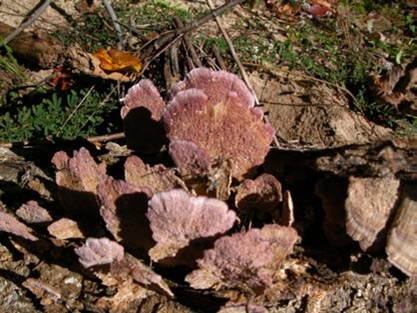
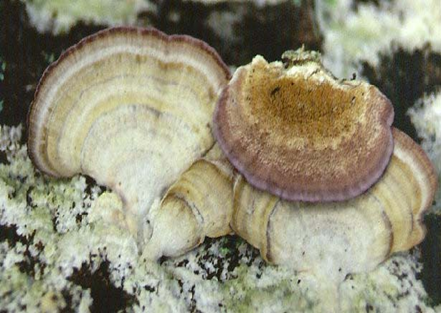
| pileus | Solitary or imbricate; gray to buff; hirsute to glabrous with age |
| stipe | N/A |
| context | Pale buff; azonate; tough-fibrous; up to 1.5 mm thick |
| pore surface | Purple to violaceous or fading to pale buff; often becoming irpicoid |
| pores | Angular; 3-5 per mm |
| tube layer(s) | Up to 2 mm thick |
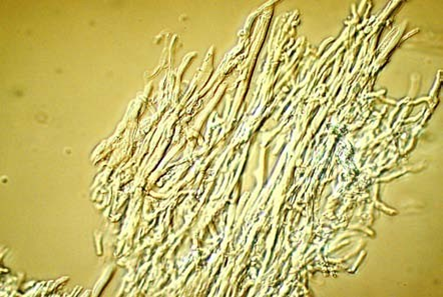
| Microscopic characters | hyphal system | Dimitic |
| clamp connections | Present on contextual generative hyphae |
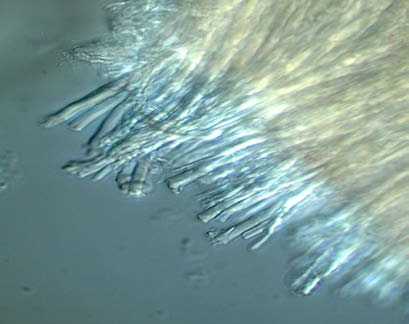
| sterile elements | Cystidia abundant; apically encrusted; with a basal clamp; sterile elements infrequent in hymenial layer |
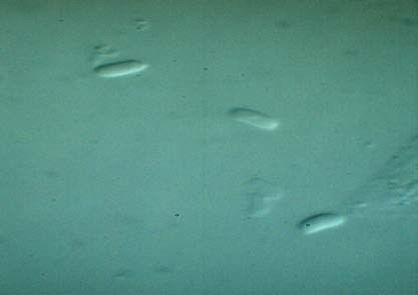
| basidiospores | Cylindric; slightly curved; hyaline; smooth; 6-8 x 2-2.5 um |
| Habitat characters | substrate/host | Dead hardwoods in many genera; rarely on conifers |
| seasonality | Annual |
| type of decay | White pocket rot of sapwood of dead hardwoods; wood becomes lacy with small empty pockets |
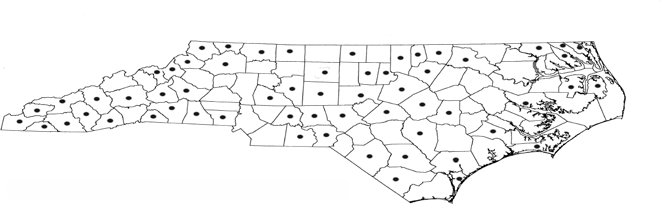
| range | In all states of the U.S. and all provinces of Canada |
| Notes | Typically develop on dead branches and logs on the ground |
| References | Overholts, 1953; Gilbertson & Ryvarden, 1986. Grand & Vernia, 2009 |